Licensed in PA · NJ · DE · MD · NY · TN(484) 451-8883  ·  2009 E. Darby Rd, FL 1, Havertown, PA  ·  EspaƱol
Thomas McKee Insurance Agency keystone logoThomas McKee Insurance Agency, Ltd.Home · Life · Auto · BusinessGet an instant workers' compensation indication
EspaƱol
Coverage
Workers' CompensationGeneral Liability & BOPCommercial AutoUmbrella / ExcessThimble Short-TermEvent InsuranceHome & AutoLife InsurancePersonal UmbrellaFlood Insurance
Who We Serve
All industriesContractors & TradesApartments & LandlordsWholesale DistributorsRestaurants & HospitalityPersonal & Auto ServicesSpecialty Niches
Service & Agency
Make a PaymentCoverage CheckFAQService Center (claims, billing, COI)About UsStaff DirectoryCarriers We RepresentInsurance GuidesBook a CallGet a Quote
Home / Specialty niches

Specialty Niches

Some risks need carriers that understand them. These are programs we place regularly, and we keep adding more.

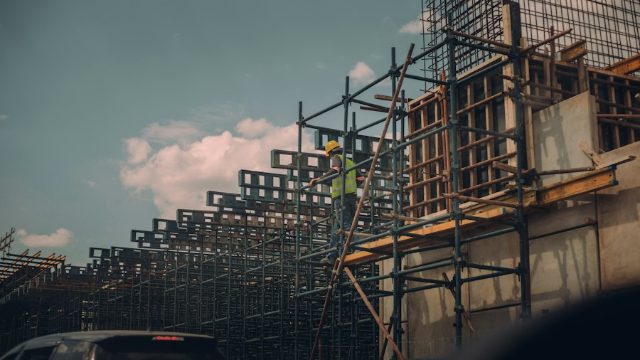
Builders Risk

Builders risk has an end date that doesn't move when the schedule does. Most claims we see come back to the same three things: water, theft, and a project that ran long.

Builders risk covers the structure while it's being built or renovated, and it ends when the building is finished or occupied. That makes it a different animal from the property policy that follows it. The values change every month, nobody lives there, and the site is open to weather and the public for most of its life.

Who buys it is set by the construction contract, not by habit. We've seen owners and general contractors each assume the other had it. Read the contract first, then buy it once, with the right party named.

Where programs go wrong
The policy runs out before the project does

Schedules slip. If the term was set to the original completion date, you need an extension before it expires, and carriers price extensions harder than the original term. Build in cushion up front.

Water damage is excluded or carries its own deductible

Frozen pipes, a failed temporary roof, a sprinkler test gone wrong. Water is one of the most common builders risk losses. Check the water damage deductible and any exclusions, not just the main deductible.

Materials and equipment walk off the site

Copper, fixtures, and installed-but-not-yet-turned-over items get stolen. Many forms exclude or sublimit theft of unattached materials, and your own tools aren't covered at all. They belong on a contractor's equipment policy.

A renovation of an existing building

Builders risk covers the new work and materials, not the existing structure. That stays on the owner's property policy, and that carrier has to know a renovation is underway.

What we place
  • Builders riskWritten to the project and the contract, with the right party as insured and the lender as loss payee.
  • Soft costs and delayInterest, taxes, and lost rent keep running after a fire. This has to be added and sized on purpose.
  • Materials in transit and storageCovers what's been bought but isn't in the building yet.
  • General liability for the contractorSeparate from the project policy, and often required by the owner.
  • Workers' compensation for your crewNot part of builders risk. We line it up alongside so the job isn't held up.
What to have ready
  • Project address, construction type, and total hard cost
  • Start date and expected completion, with some cushion
  • The contract, so we can see who has to buy the policy
  • Lender requirements, if there is a loan
  • Site security: fencing, cameras, a watch service, water shutoff plan

Who is supposed to buy builders risk?

The construction contract says. Often it's the owner, sometimes the general contractor. Either way, one policy should cover the whole project, with everyone's interest named. We help you read yours.

Does builders risk cover my tools?

Usually not. Tools and equipment go on a separate contractor's equipment (inland marine) policy.

When does coverage end?

When the project is complete or occupied, when the term ends, or when the building is accepted by the owner, whichever comes first. Check what the policy says about partial occupancy. Moving a tenant in early can end coverage on that part.

Does it cover an addition to a building I already own?

It can cover the addition and the materials, but not the existing building. Your property policy carrier needs to be told about the work too.

Truckers' Workers' Comp

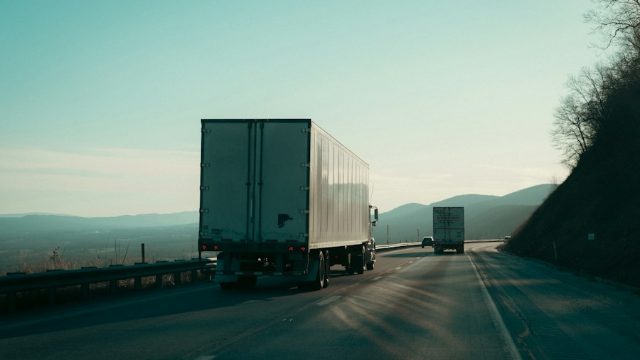
Truckers' workers' comp is decided by four things: how drivers are classified, which states they run, who counts as an employee, and your experience mod.

Workers' comp is state law, and drivers cross state lines. The policy has to list every state where your drivers work, or a claim in a state that isn't on the policy turns into a fight.

Owner-operators add another layer. Depending on how they're set up, a carrier may audit them as employees if they can't show their own coverage, and the premium follows.

Where programs go wrong
Owner-operators treated as employees at audit

If an owner-operator doesn't carry their own coverage, the carrier can charge you premium on what you paid them. Collect certificates, or look at occupational accident coverage where your contracts allow it.

States missing from the policy

Coverage for work in other states has to be set up when the policy is written. List where drivers actually run, not just where you're based.

Payroll in the wrong class

Drivers and non-drivers (dispatch, mechanics, office) are rated differently, and mixing them up costs money either way. We go through payroll by class before it's submitted.

Ending up in the assigned risk plan

Assigned risk pools cost more and limit your options. If you're there, we work on getting you out. If you're close, we work on keeping you from landing there.

What we place
  • Workers' comp for company driversWith the states your drivers actually run, set up on the policy.
  • Owner-operator reviewHow each is classified, and whether their certificates would hold up at audit.
  • Multi-state coverageWritten so a driver injured out of state isn't a coverage argument.
  • Occupational accident optionsWhere your contracts allow it, as an alternative for owner-operators.
  • Auto liability and cargoPlaced alongside, with markets that know trucking.
What to have ready
  • Payroll split between drivers and non-drivers
  • Owner-operator contracts and their certificates
  • States where drivers operate
  • Current dec pages, loss runs, and your e-mod worksheet
  • Driver hiring standards, safety program, and return-to-work approach

Are owner-operators covered under my workers' comp?

It depends on how they're classified and whether they carry their own coverage. Carriers can audit uninsured contractors as employees, so certificates matter.

Does workers' comp cover drivers in other states?

Only for the states listed on the policy. We check the states your drivers actually work in.

What is an experience mod and why does it matter here?

It compares your claims history to peers in your class. A mod above 1.0 raises your premium. Drivers' injuries are costly, so every claim and how fast it's managed moves the number.

Is the assigned risk plan a bad place to be?

It's usually the most expensive option and the least flexible. Many fleets can get out with a cleaner loss history and a real safety program, and we help build the case.

Snow Removal Contractors

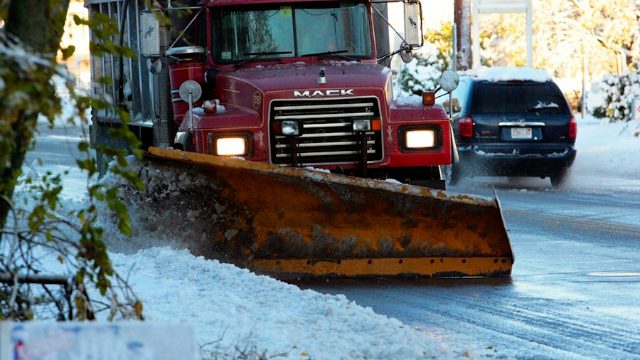
Snow work is easy to sell and easy to lose money on. The lawsuit comes in March, after someone slips in a lot you plowed in January.

Most snow claims are slip-and-falls on property you serviced. The question is whether your policy covers snow and ice work at all, and whether your contract pushes the liability onto you or back onto the property owner.

Those two documents decide the outcome more than the plow does. We read both before the first storm.

Where programs go wrong
Snow and ice exclusions

Some general liability forms exclude or limit snow and ice removal. Landscapers who add plowing for the winter are often caught, because the policy was written for lawn work.

Contracts that make you the insurer

Property manager contracts often include broad indemnity and require additional insured status. Read the indemnity clause. A seasonal contract can move the owner's exposure onto you.

Subcontracted plow operators

If you sub out routes, you need certificates from each sub with limits that match yours. Otherwise the carrier can treat them as your employees at audit.

Seasonal revenue and audits

Snow premium is often based on receipts. A heavy winter can mean an audit bill. Estimate honestly and keep per-push and seasonal contract revenue separate.

What we place
  • General liability that covers snow and iceConfirmed in writing before the season, not found at claim time.
  • Additional insured wordingFor the property owners and managers who require it.
  • Commercial auto with plow attachmentsTrucks, plows, and spreaders on the road.
  • Workers' compensation for seasonal crewsOvernight and storm-time work gets injuries. Payroll should be in the right class.
  • Equipment and umbrellaPlows, spreaders, and skid steers, plus higher limits for larger contracts.
What to have ready
  • Contracts with the insurance and indemnity language
  • Annual revenue, split by per-push and seasonal contracts
  • Number of sites and routes
  • Vehicle and equipment list
  • Any subcontractors, with their certificates

Do general liability policies cover snow removal?

Not always. Some exclude or limit it. Check before the season starts, and tell the carrier about plowing even if it's a side service.

Do property owners require additional insured status?

Often. The wording has to be endorsed onto your policy, not just typed on a certificate.

Who is responsible if someone slips after I plow?

It depends on your contract and the facts of the storm. The contract's indemnity and the policy's coverage for snow and ice work together determine who pays.

I'm a landscaper adding snow for the winter. What do I tell the carrier?

Everything: number of sites, types of properties, whether you sub any routes, and per-push versus seasonal pricing. It's the best way to avoid a surprise exclusion.

Tower Contractors

Tower work is priced by height, and the contract is written by the carrier or the telecom customer. Both can sink your coverage if you don't read them.

Telecom owners and their prime contractors require high limits, additional insured status, and waiver of subrogation, often on a master service agreement you sign once for many sites.

Your own policies may carry work-at-height limitations or classification rules that don't match what your crews actually do. That mismatch is where claims turn into disputes.

Where programs go wrong
Work-at-height limitations

Some general liability forms exclude or limit work above a set height or on towers. It's the first thing to check, and the one tower contractors most often learn about at claim time.

Payroll split between climbing and ground

Climbers are rated far higher than ground crew. Split payroll honestly and document it, so ground crews aren't rated as climbers and you aren't caught under-reporting at audit.

Master service agreements

MSAs from carriers and primes set limits, additional insured, and waiver wording across every job. Send us the MSA before you accept it.

Crews working in several states

Workers' comp has to cover every state you work in, and some states have their own rules. We review which states are on the policy.

What we place
  • Workers' compensation with tower and climbing classesWith payroll split by what crews actually do.
  • General liability without work-at-height exclusionsConfirmed against the form, not assumed.
  • Umbrella and excessFor telecom contract limits.
  • Additional insured and waiver wordingEndorsed onto the policy to match the MSA.
  • Tools, equipment, and trailersClimbing gear, hoists, and the trailers that carry them.
  • Commercial auto and contractors pollutionCrew trucks, plus fuel and battery exposures.
What to have ready
  • Payroll split between climbing and ground crews
  • Your MSAs and customer insurance requirements
  • Typical work heights and tower types
  • Safety program, fall protection, and training records
  • Current dec pages and loss runs

Does general liability cover work at height?

Some forms exclude or limit it. Read the exclusions before you sign a contract.

Why does payroll split matter?

Climbing classes are rated much higher than ground work, so accurate payroll by class can change the premium.

What do telecom customers usually require?

High liability and umbrella limits, additional insured status, and waiver of subrogation, often in a master service agreement. Send it to us first.

Do my subcontractors need to carry their own coverage?

Yes. Without certificates, an auditor can bill you for their payroll, and you can be exposed on their work.

Day Care Operations

Day care is judged on the claim that should never happen. Underwriters look at how you prevent it before they look at price.

Parents and licensing bodies expect certain coverage, and carriers want the details: ratios, supervision, background checks, transportation, and the playground. The one you can't skip is abuse and molestation coverage, which general liability usually excludes or caps low.

Most day care claims are the ordinary kind: a fall, a bite, a choking incident, an allergic reaction. The program should handle both the headline risk and the daily ones.

Where programs go wrong
Abuse and molestation limits

It's frequently sublimited, and some policies count defense costs against the limit. Know the limit and whether defense is inside or outside it.

Transporting children

If you drive children, even occasionally, you need commercial auto. Personal auto policies exclude business use.

Licensing and capacity

Your policy should match your licensed capacity and the ages you serve. Infant care is rated differently, and operating beyond your license can give the carrier grounds to dispute a claim.

Playground, water, and special events

Field trips, pools, and inflatable equipment often need to be disclosed or excluded. Tell us everything you do so it's written correctly.


What we place
  • General liabilityFor injuries and incidents on the premises.
  • Abuse and molestation coverageWritten with clear limits and defense terms.
  • Workers' compensationStaff injuries from lifting and chasing children.
  • Property and contentsBuilding, furniture, toys, and equipment.
  • Commercial autoIf you transport children.
  • Accident medical and EPLIFor small injuries to enrolled children, and employment claims.
What to have ready
  • Number of children, ages, and licensed capacity
  • Hours of operation and staff count, with ratios
  • Staff screening: background checks, clearances, and training
  • Whether you transport children
  • Building details, or your lease
  • We have a supplemental application ready for this operation, and we can pre-fill much of it from your current dec page.

Does general liability cover abuse and molestation claims?

Often it excludes or sublimits it, so it's usually written as a separate coverage. Ask how yours is handled.

Do I need a special policy to transport children?

Usually yes. Personal auto policies often exclude business use, so a commercial auto policy is needed.

Does my licensed capacity affect the policy?

Yes. Carriers rate by capacity and ages, and operating beyond your license can be a problem at claim time.

Will the carrier ask about my screening and supervision?

Yes, especially for abuse coverage. Having background checks, ratios, and training documented makes the application easier.

More Niches Coming

We place specialty and hard-to-place risks across 50+ carriers. If your business is not listed here, send us your current policy or call (484) 451-8883.